
 Cardiology
 Paediatrics
 Neurology
 Orthopaedics
 Family
Physician
Family
Physician
 Gynecology
 Endocrinology
 Gastrology
 ENT
ENT
 Pulmonology
 Cancer Care
 Radiology


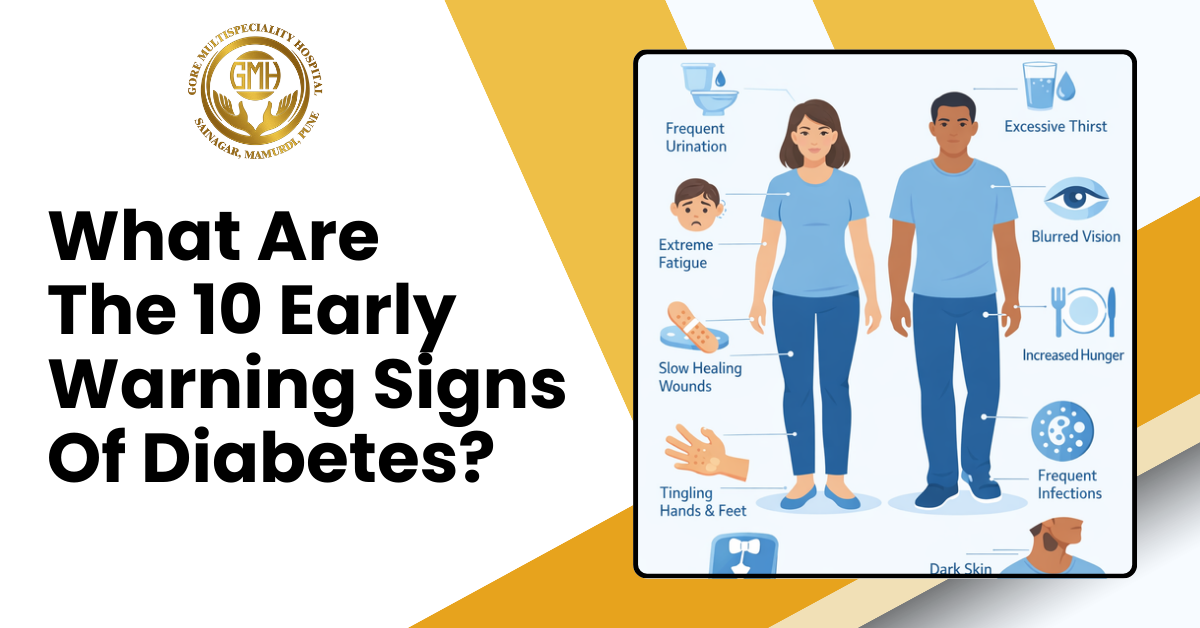
Diabetes doesn’t usually announce itself loudly. In many cases, it develops quietly, showing small changes in the body that are easy to dismiss as stress, aging, or lifestyle issues. Unfortunately, ignoring these early warning signs of diabetes can allow the condition to progress unnoticed, increasing the risk of serious complications.
At Gore Multispeciality Hospital, we regularly see patients who wish they had recognized these signs earlier. This page is designed to help you identify early diabetes symptoms, understand what they mean, and know when it’s time to seek medical help. Early awareness can make a life-changing difference.
Understanding Diabetes & Why Early Signs Matter
Diabetes is a chronic condition that affects how your body processes glucose (blood sugar). When insulin doesn’t work properly or isn’t produced in enough quantity, sugar builds up in the bloodstream.
How Diabetes Starts in the Body
In the early stages, your body tries to compensate for rising blood sugar. This is why early signs of diabetes are often subtle and easy to ignore. Over time, prolonged high blood sugar can damage nerves, kidneys, eyes, and the heart.
Recognizing the early symptoms of diabetes allows you to:
- Prevent serious complications
- Slow or reverse disease progression (especially in prediabetes)
- Improve long-term quality of life
The 10 Early Warning Signs of Diabetes You Should Not Ignore
Below are the most common early warning signs of diabetes in adults. These symptoms may appear gradually and vary from person to person.
1. Frequent Urination
Frequent urination is one of the earliest signs of diabetes. When blood sugar levels rise, the kidneys work harder to remove excess glucose from the body. This leads to increased urine production, especially at night, which may disrupt sleep and cause dehydration over time.
2. Excessive Thirst
Excessive thirst often accompanies frequent urination. As your body loses more fluids, it signals the brain to drink more water. If you feel constantly thirsty despite drinking enough fluids, it may indicate high blood sugar levels affecting your body’s fluid balance.
3. Unexplained Weight Loss
Unexplained weight loss can occur even when your appetite remains normal or increases. When insulin is insufficient, the body cannot use glucose for energy and begins breaking down fat and muscle instead, leading to sudden or noticeable weight loss.
4. Constant Fatigue and Weakness
Persistent fatigue is a common early diabetes symptom. Without enough insulin, glucose cannot enter cells to provide energy. As a result, your body feels constantly tired, weak, and low on energy, even after adequate rest or sleep.
5. Blurred Vision
High blood sugar levels can cause fluid shifts in the eyes, affecting the lens and leading to blurred or fluctuating vision. This symptom may come and go but should not be ignored, as prolonged high blood sugar can cause long-term damage to eye health.
6. Slow-Healing Cuts and Wounds
Diabetes can slow the healing process by affecting blood circulation and immune response. Even small cuts, bruises, or sores may take longer to heal, increasing the risk of infections and complications if blood sugar levels remain uncontrolled.
7. Tingling or Numbness in Hands and Feet
Tingling, numbness, or a burning sensation in the hands and feet can be an early sign of nerve damage caused by high blood sugar. This condition, known as diabetic neuropathy, often develops gradually and worsens if diabetes is left untreated.
8. Increased Hunger
Increased hunger occurs when glucose cannot enter the body’s cells efficiently. Even after eating, your cells remain deprived of energy, sending hunger signals to the brain. This can lead to frequent eating and difficulty managing weight.
9. Frequent Infections
People with high blood sugar are more prone to infections because excess glucose weakens the immune system. Recurrent skin, gum, urinary tract, or yeast infections may be an early warning sign that blood sugar levels are consistently elevated.
10. Dark Patches on the Skin
Dark, velvety patches of skin around the neck, armpits, or groin may indicate insulin resistance. This condition, known as acanthosis nigricans, is a visible early warning sign of diabetes and should prompt timely medical evaluation.
Early Signs of Diabetes in Men and Women
Diabetes symptoms can differ based on gender due to hormonal and physiological differences.
Early Signs of Diabetes in Men
Men may experience:
- Reduced muscle mass
- Erectile dysfunction
- Low stamina and fatigue
- Increased abdominal fat
Early Signs of Diabetes in Women
Women may notice:
- Recurrent yeast or urinary infections
- Irregular menstrual cycles
- Worsening PCOS symptoms
- Sudden weight changes
Prediabetes Warning Signs – The Stage You Can Reverse
Prediabetes is a condition where blood sugar levels are elevated but not yet in the diabetic range. Many people experience silent symptoms of diabetes during this stage.
Common prediabetes warning signs include:
- Mild but persistent fatigue
- Increased thirst
- Gradual weight gain
- Darkened skin patches
- Borderline blood sugar readings
With early intervention, prediabetes can often be reversed.
When Should You Get Tested for Diabetes?
You should consider diabetes testing if you:
- Notice multiple early diabetes symptoms
- Have a family history of diabetes
- Are overweight or physically inactive
- Are above 35 years of age
- Have high blood pressure or cholesterol
Common Diabetes Screening Tests
- Fasting Blood Sugar
- Postprandial Blood Sugar
- HbA1c Test
At Gore Multispeciality Hospital, diabetes screening is conducted using accurate diagnostic methods to ensure early and reliable detection.
Why Early Detection of Diabetes Saves Lives
Early diagnosis allows timely treatment and lifestyle changes that can:
- Prevent nerve damage and vision loss
- Protect kidney and heart health
- Reduce the risk of stroke
- Improve long-term blood sugar control
- Enhance overall quality of life
Addressing early signs of type 2 diabetes significantly improves long-term outcomes.
Our Diabetes Screening & Preventive Care Services
We offer comprehensive diabetes care focused on early detection, prevention, and long-term management.
Our Services Include:
- Blood sugar testing and monitoring
- Prediabetes and diabetes risk assessment
- Personalized diet and lifestyle counseling
- Weight management support
- Regular follow-ups and preventive care
Our medical team at Gore Multispeciality Hospital focuses on patient-centered care, ensuring every individual receives timely guidance and support.
Take Control of Your Health Today
Ignoring the early warning signs of diabetes can lead to lifelong health issues. Early testing and preventive care empower you to stay healthy and active.
Book a Diabetes Screening Today and Consult a Specialist for Preventive Care.
Your health matters—and early action makes all the difference.
Need Expert Guidance?
Our gynecology specialists are here to help. Book an appointment today for personalized care and treatment.
Book Appointment