
 Cardiology
 Paediatrics
 Neurology
 Orthopaedics
 Family
Physician
Family
Physician
 Gynecology
 Endocrinology
 Gastrology
 ENT
ENT
 Pulmonology
 Cancer Care
 Radiology


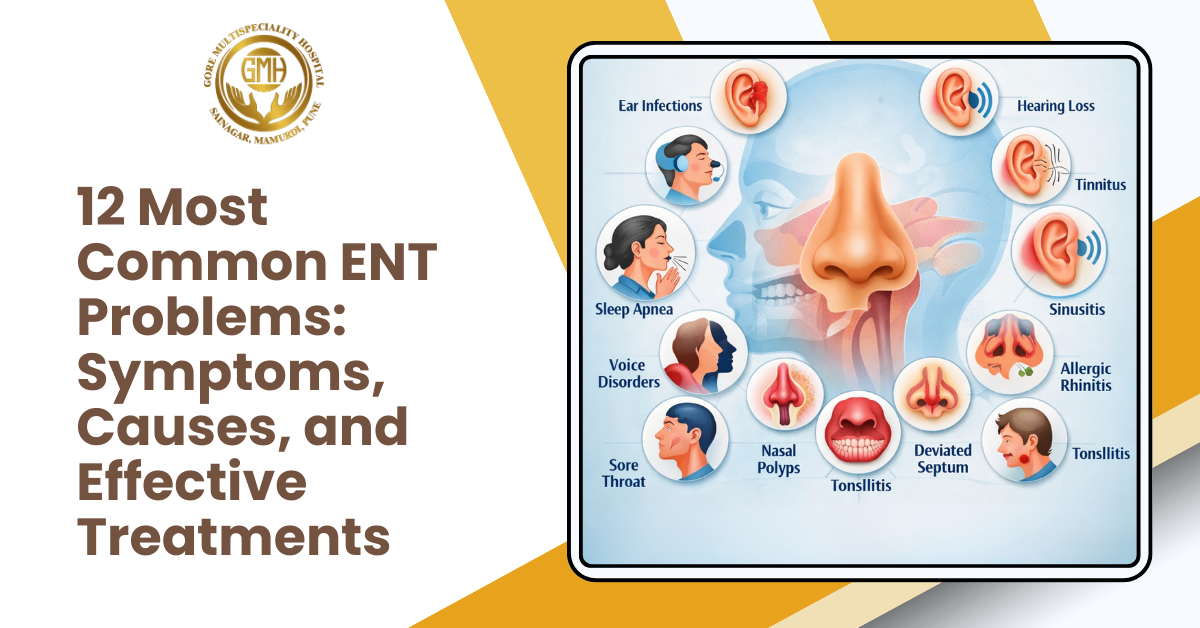
Ear, Nose, and Throat (ENT) problems may seem minor at first, but they can significantly impact your daily comfort, sleep quality, communication, and overall health if left untreated. Whether it’s frequent sinus congestion, recurring ear infections, or persistent throat pain, ENT conditions are among the most common reasons people seek medical care.
In this detailed guide, we’ll explore the 12 most common ENT problems, their early warning symptoms, underlying causes, and effective treatment options, so you know when to manage symptoms at home and when to seek professional help.
What Are ENT Problems?
ENT problems refer to disorders affecting the ears, nose, throat, sinuses, voice box (larynx), and nearby structures. These organs are closely interconnected, which is why a simple cold can quickly turn into sinusitis or ear pain.
ENT conditions can be:
- Acute– sudden and short-lived
- Chronic– persistent or recurring over months
They affect people of all ages, from children with frequent tonsillitis to adults dealing with hearing loss or sinus issues.
Why Are ENT Problems Increasing Today?
ENT specialists are seeing a rise in cases due to several modern factors:
- Increasing air pollution and allergens
- Frequent viral and bacterial infections
- Seasonal climate changes
- Smoking and second-hand smoke exposure
- Excessive use of earphones and headphones
- Stress, poor sleep, and reduced immunity
12 Most Common ENT Problems
ENT problems affect essential daily functions such as hearing, breathing, speaking, swallowing, and balance. Many of these conditions begin with mild symptoms that people often ignore, but early recognition can prevent long-term complications. Below is a detailed explanation of the most commonly diagnosed ENT problems.
1. Ear Infections
Ear infections occur when bacteria or viruses infect the middle or outer ear. They are particularly common in children but can affect adults as well.
Common Symptoms
- Sharp or throbbing ear pain
- Fever
- Fluid or pus discharge
- Temporary hearing loss
- Irritability or disturbed sleep (especially in children)
Why They Occur
Ear infections often develop after colds, throat infections, or water exposure. Blocked Eustachian tubes make it easier for germs to multiply.
Why Early Care Matters
Repeated ear infections can lead to chronic ear disease or permanent hearing damage if left untreated.
2. Hearing Loss
Hearing loss can be gradual or sudden and may affect one or both ears.
Early Warning Signs
- Difficulty following conversations
- Frequently increasing TV or phone volume
- Feeling that people are “mumbling”
Common Causes
- Aging
- Noise exposure (headphones, loud workplaces)
- Ear infections or wax buildup
- Inner ear damage
Impact on Daily Life
Untreated hearing loss can affect communication, social confidence, mental health, and work performance.
3. Tinnitus (Ringing in the Ears)
Tinnitus is the perception of sound when no external sound is present.
What People Experience
- Ringing, buzzing, hissing, or humming sounds
- Symptoms often worsen at night or in silence
Possible Causes
- Noise-induced hearing damage
- Ear infections or wax
- Stress and anxiety
Important Note
Tinnitus is usually a symptom of an underlying ENT issue and should not be ignored.
4. Sinusitis
Sinusitis occurs when the sinus cavities become inflamed or blocked.
Common Symptoms
- Facial pain or pressure
- Nasal congestion
- Thick nasal discharge
- Headache and fatigue
Types
- Acute sinusitis (short-term)
- Chronic sinusitis (lasting more than 12 weeks)
Why It Keeps Coming Back
Allergies, nasal polyps, or untreated infections often cause recurrent sinusitis.
5. Allergic Rhinitis
Allergic rhinitis is an allergic reaction affecting the nasal passages.
Typical Symptoms
- Sneezing fits
- Runny or blocked nose
- Itchy nose, eyes, or throat
Triggers
- Dust mites
- Pollen
- Pet dander
- Pollution
Long-Term Effects
If untreated, it can lead to sinus infections, sleep problems, and poor concentration.
6. Deviated Nasal Septum (DNS)
A deviated nasal septum occurs when the wall between the nostrils is off-center.
Symptoms
- Difficulty breathing through the nose
- Chronic nasal blockage
- Snoring or disturbed sleep
Many People Don’t Realize
Breathing issues, frequent sinus infections, or mouth breathing may be caused by DNS.
7. Tonsillitis
Tonsillitis is inflammation of the tonsils, commonly affecting children and young adults.
Symptoms
- Severe sore throat
- Fever
- Swollen or pus-covered tonsils
- Difficulty swallowing
Why It’s a Concern
Repeated tonsillitis can affect nutrition, immunity, and school or work attendance.
8. Sore Throat
A sore throat is one of the most common ENT complaints.
Common Causes
- Viral infections
- Bacterial infections
- Acid reflux
- Dry air or pollution
When to Worry
Persistent pain, high fever, or difficulty swallowing requires medical evaluation.
9. Vertigo and Balance Disorders
Vertigo is a sensation of spinning or dizziness caused by inner ear problems.
Symptoms
- Sudden dizziness
- Nausea or vomiting
- Loss of balance
Why It’s Risky
Vertigo increases the risk of falls and accidents, especially in older adults.
10. Nasal Polyps
Nasal polyps are soft, painless growths inside the nasal passages.
Symptoms
- Persistent nasal blockage
- Reduced sense of smell
- Frequent sinus infections
Why They Develop
Long-term inflammation due to allergies or chronic sinusitis.
Important Point
Polyps often grow slowly, so symptoms may be ignored until breathing becomes difficult.
11. Voice Disorders
Voice disorders affect how the voice sounds and functions.
Symptoms
- Hoarseness
- Voice fatigue
- Loss of voice
Who Is at Risk
- Teachers, singers, public speakers, smokers, and people with acid reflux
Why Voice Care Matters
Ignoring voice problems can lead to long-term vocal cord damage.
12. Snoring and Sleep Apnea (ENT-Related)
Snoring may be a sign of airway obstruction.
Warning Signs
- Loud, chronic snoring
- Daytime sleepiness
- Interrupted sleep
Health Risks
Untreated sleep apnea increases the risk of heart disease, high blood pressure, and fatigue-related accidents.
Effective Treatments for ENT Problems
Treatment depends on the condition and severity and may include:
- Medications
- Home care and lifestyle changes
- Advanced medical procedures
- Surgical treatment for chronic or severe cases
At Gore Multispeciality Hospital, ENT care focuses on accurate diagnosis, patient education, and personalized treatment plans to ensure long-term relief and recovery.
When Should You See an ENT Specialist?
- Symptoms lasting more than 7–10 days
- Recurrent ear, nose, or throat infections
- Hearing or balance problems
- Breathing, swallowing, or sleep-related issues
How to Prevent Common ENT Problems
- Maintain proper hygiene
- Avoid exposure to allergens and pollution
- Protect ears from loud noise
- Stay hydrated
- Strengthen immunity through a healthy lifestyle
Conclusion
ENT problems are common, but with early recognition and proper treatment, most conditions can be effectively managed. Paying attention to symptoms and seeking timely medical advice can protect your hearing, breathing, and overall quality of life.
For comprehensive ENT evaluation and care, Gore Multispeciality Hospital, known as the best ENT treatment hospital in Ravet, offers patient-centered treatment designed to restore comfort, health, and confidence.
Need Expert Guidance?
Our gynecology specialists are here to help. Book an appointment today for personalized care and treatment.
Book Appointment