
 Cardiology
 Paediatrics
 Neurology
 Orthopaedics
 Family
Physician
Family
Physician
 Gynecology
 Endocrinology
 Gastrology
 ENT
ENT
 Pulmonology
 Cancer Care
 Radiology


Your heart works tirelessly every second of the day, pumping blood and oxygen throughout your body. Yet, heart disease remains one of the leading health concerns worldwide. The good news is that your daily diet plays a powerful role in protecting your heart.
Cardiologists often emphasize that simple dietary changes can significantly improve cardiovascular health. By including the right heart-healthy foods, you can lower cholesterol, regulate blood pressure, reduce inflammation, and decrease the risk of heart disease.
If you're wondering what foods cardiologists recommend for heart health, you're in the right place. In this guide, we'll explore 25 heart-healthy foods that can naturally support your heart, improve circulation, and help you maintain long-term wellness.
Why Diet Is Important for Heart Health
What you eat has a direct impact on your heart and blood vessels. Diets high in saturated fats, added sugars, and heavily processed foods can increase the risk of high cholesterol, obesity, and high blood pressure—three major contributors to heart disease.
On the other hand, a heart-healthy diet that includes fruits, vegetables, whole grains, healthy fats, and lean proteins helps protect your cardiovascular system. Choosing nutrient-rich foods daily can improve blood circulation, maintain healthy cholesterol levels, and reduce the risk of heart-related conditions.
Healthy foods support heart health by:
- Lowering bad cholesterol (LDL): Certain foods such as oats, nuts, and legumes help reduce LDL cholesterol, which can build up in arteries and increase heart disease risk.
- Increasing good cholesterol (HDL): Healthy fats from foods like avocados, olive oil, and fatty fish help raise HDL cholesterol, which supports better heart function.
- Reducing inflammation: Antioxidant-rich foods such as berries, leafy greens, and nuts help fight inflammation that can damage blood vessels over time.
- Controlling blood pressure: Potassium-rich foods like bananas, spinach, and sweet potatoes help regulate blood pressure and maintain healthy circulation.
- Preventing plaque buildup in arteries: A balanced diet can reduce the risk of plaque formation in arteries, which improves blood flow and lowers the chance of heart attacks or strokes.
Cardiologists frequently recommend focusing on natural, nutrient-dense foods that nourish the heart and support overall well-being. The best heart specialists at Gore Multispeciality Hospital also encourage patients to adopt balanced eating habits and healthy lifestyle choices as part of a long-term strategy for maintaining optimal heart health.
What Cardiologists Look for in Heart-Healthy Foods
Not all foods benefit your heart equally. Cardiologists often recommend foods rich in specific nutrients that promote cardiovascular health.
1. Omega-3 Fatty Acids
Cardiologists recommend foods rich in omega-3 fatty acids because they help reduce inflammation, lower triglyceride levels, improve heart rhythm, and support overall cardiovascular health.
2. Fiber
High-fiber foods help reduce bad cholesterol levels and improve digestion. Cardiologists often recommend fiber-rich foods like oats, beans, fruits, and vegetables for better heart health.
3. Antioxidants
Antioxidants help protect the heart and blood vessels from oxidative stress and inflammation. Foods rich in antioxidants support better circulation and reduce the risk of cardiovascular diseases.
4. Potassium
Potassium plays an important role in maintaining healthy blood pressure levels. It helps balance sodium in the body and supports proper heart muscle function.
5. Healthy Fats
Cardiologists recommend healthy fats such as monounsaturated and polyunsaturated fats. These fats help improve cholesterol levels and reduce the risk of heart disease when consumed in moderation.
25 Heart-Healthy Foods Cardiologists Recommend
Adding these foods to your daily diet can help protect your heart and improve overall health.
Heart-Healthy Fruits
1. Berries
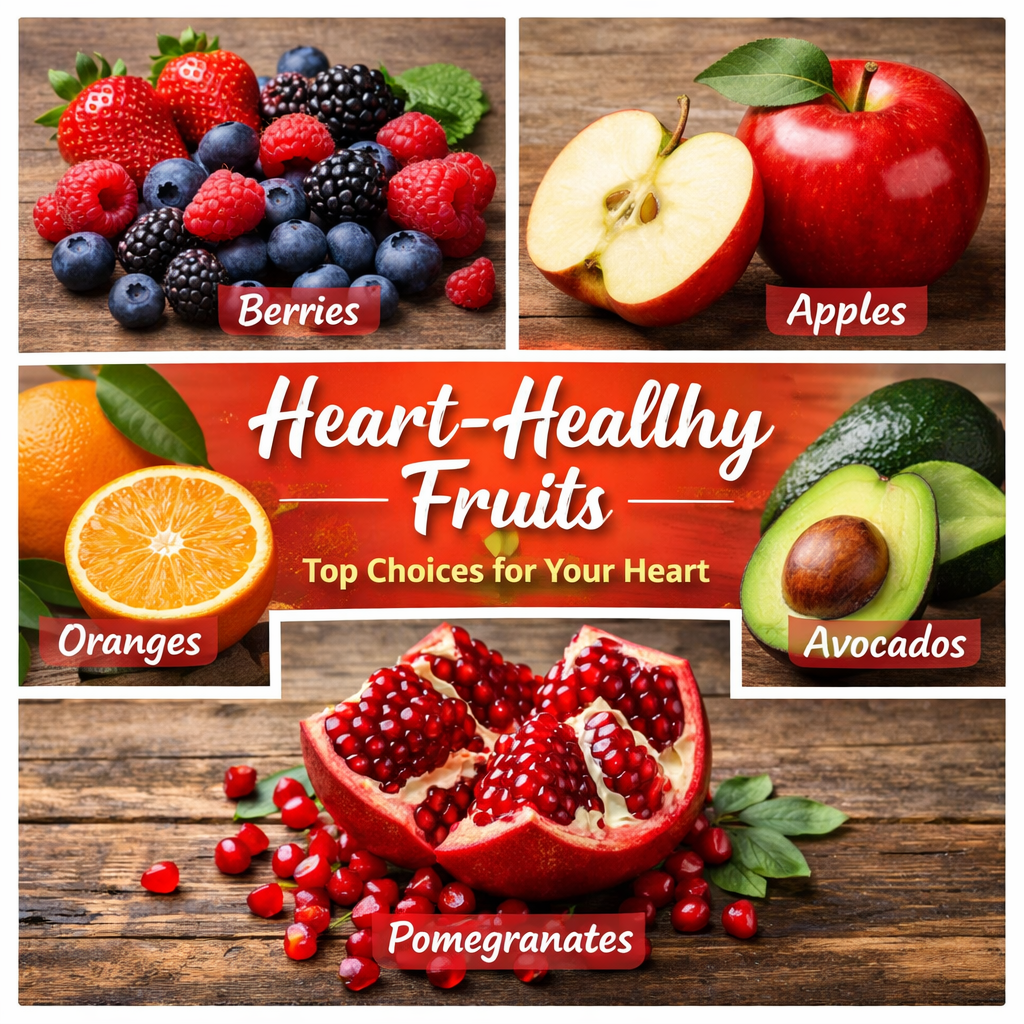
Berries such as strawberries, blueberries, and raspberries are among the best fruits for heart health. They are rich in antioxidants, fiber, and vitamins that help reduce inflammation and protect blood vessels. The high levels of flavonoids found in berries can also help lower blood pressure and improve cholesterol levels. Regular consumption of berries may reduce the risk of heart disease while supporting overall cardiovascular health.
2. Apples
Apples are a simple yet powerful heart-healthy food. They contain soluble fiber called pectin, which helps reduce bad cholesterol levels in the bloodstream. Apples are also rich in antioxidants that support blood vessel health and reduce inflammation. Eating apples regularly can contribute to improved heart function and better digestion, making them an easy and nutritious addition to a heart-friendly diet.
3. Oranges
Oranges are packed with vitamin C, potassium, and antioxidants that support heart health. Potassium helps regulate blood pressure by balancing sodium levels in the body. Oranges also contain fiber and natural compounds that may help lower cholesterol levels. Drinking fresh orange juice or eating whole oranges can contribute to improved circulation and reduced risk of cardiovascular disease.
4. Avocados
Avocados are well known for their healthy monounsaturated fats, which help lower bad cholesterol while increasing good cholesterol. They also contain potassium, fiber, and antioxidants that support heart function. Adding avocado to your meals can help improve cholesterol balance and reduce inflammation. This creamy fruit is a key component of many heart-healthy diets, including the Mediterranean diet.
5. Pomegranates
Pomegranates are rich in powerful antioxidants called polyphenols, which help protect the heart and blood vessels. These antioxidants improve blood circulation and may help reduce plaque buildup in arteries. Drinking pomegranate juice or eating fresh pomegranate seeds regularly can support healthy blood pressure and reduce the risk of heart disease over time.
Heart-Healthy Vegetables
6. Spinach
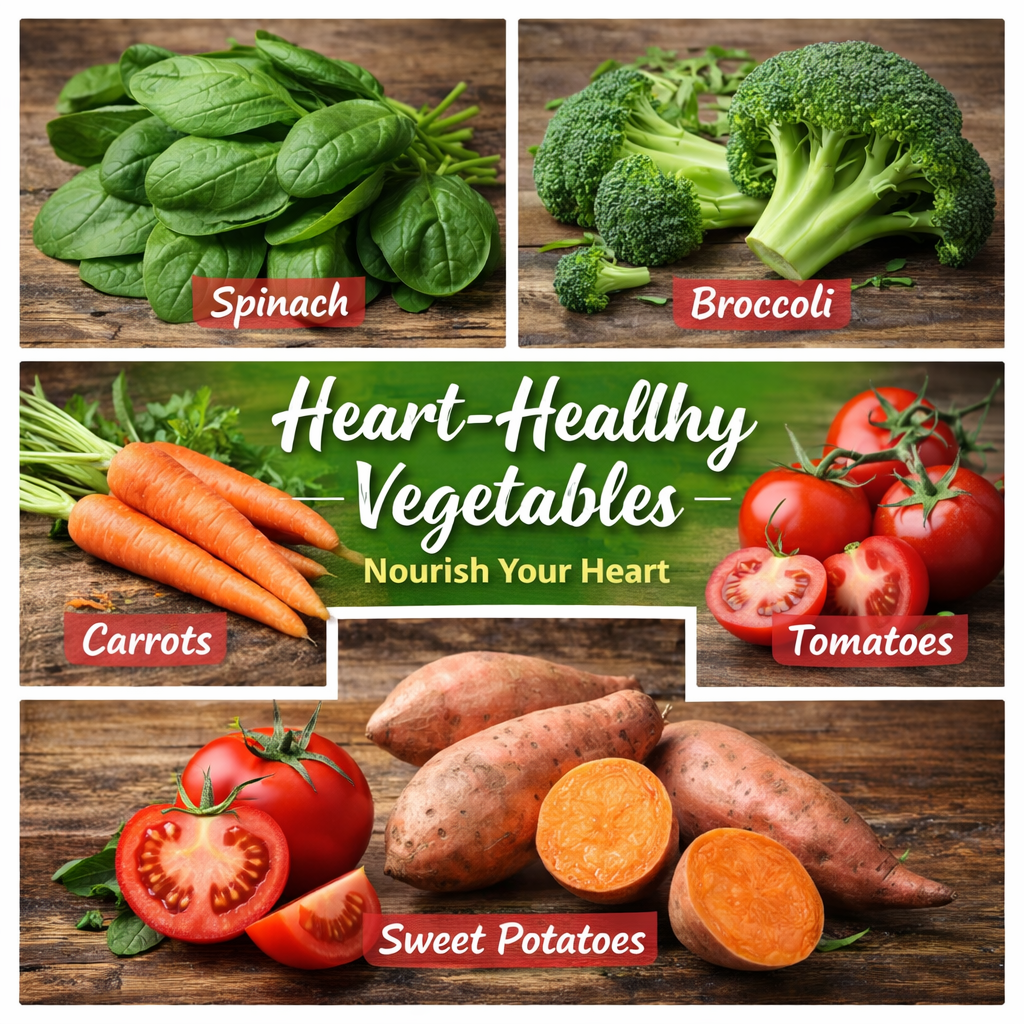
Spinach is a nutrient-dense leafy green vegetable that offers significant heart health benefits. It contains vitamins, minerals, antioxidants, and nitrates that help improve blood flow and lower blood pressure. The high levels of potassium and magnesium found in spinach also support healthy heart rhythms and muscle function. Including spinach in your diet can help maintain overall cardiovascular health.
7. Broccoli
Broccoli is rich in fiber, antioxidants, and vitamins that support heart health. It contains compounds that help reduce inflammation and protect blood vessels from damage. The fiber in broccoli also helps lower cholesterol levels and improve digestion. Eating broccoli regularly can contribute to better heart health while providing essential nutrients that strengthen the immune system.
8. Carrots
Carrots are packed with beta-carotene, fiber, and antioxidants that promote heart health. These nutrients help regulate cholesterol levels and reduce oxidative stress in the body. Carrots may also help control blood pressure due to their potassium content. Whether eaten raw, cooked, or added to salads and soups, carrots are a delicious and heart-friendly vegetable.
9. Tomatoes
Tomatoes are rich in lycopene, a powerful antioxidant known for its heart-protective properties. Lycopene helps reduce inflammation and may lower the risk of cardiovascular disease. Tomatoes also contain potassium, vitamin C, and fiber, which support healthy blood pressure and cholesterol levels. Including tomatoes in your daily meals can contribute to better heart health.
10. Sweet Potatoes
Sweet potatoes are a great source of fiber, potassium, and antioxidants that benefit the heart. Potassium helps regulate blood pressure by balancing sodium levels in the body. The fiber in sweet potatoes supports healthy cholesterol levels and digestion. They also provide essential vitamins that support overall wellness and cardiovascular health.
Whole Grains for Heart Health
11. Oats
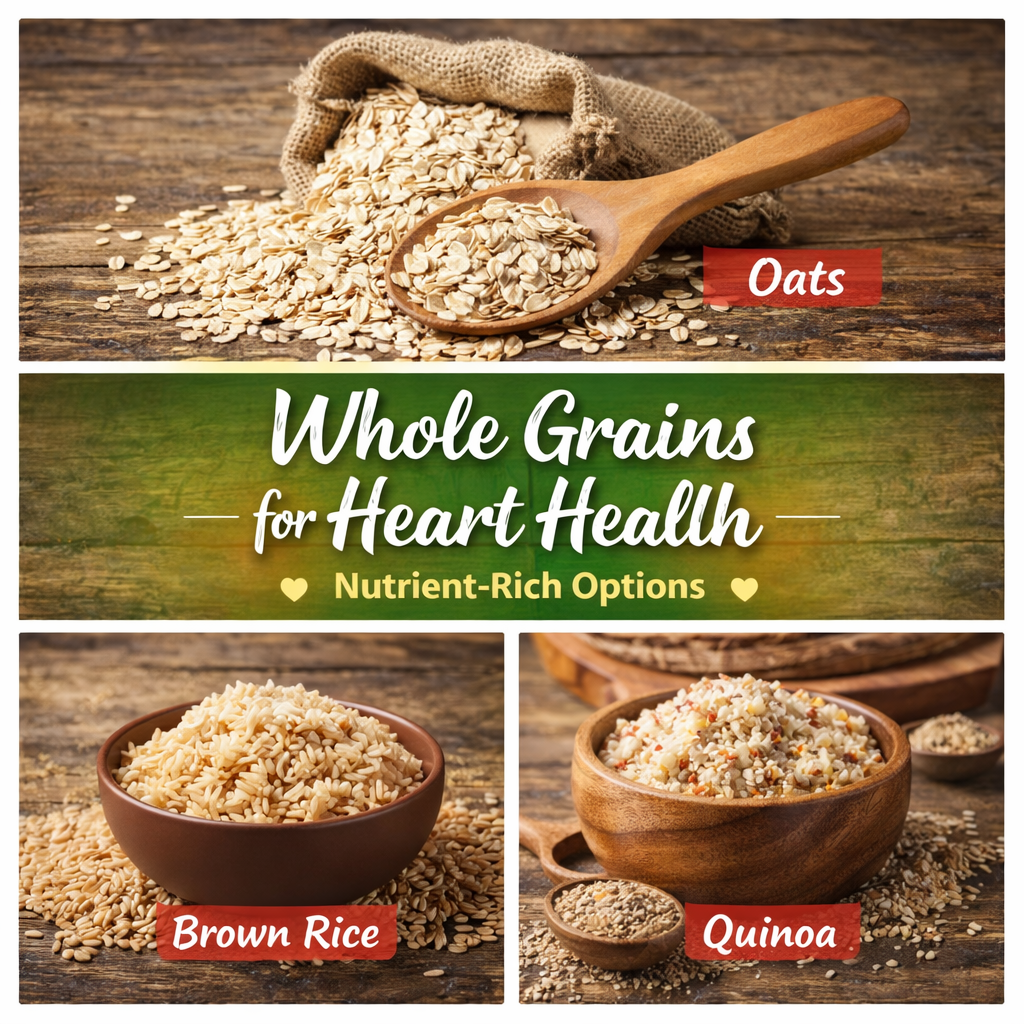
Oats are one of the most recommended foods for heart health. They contain beta-glucan, a type of soluble fiber that helps lower bad cholesterol levels. Eating oatmeal regularly can improve cholesterol balance and support healthy digestion. Oats also provide sustained energy and essential nutrients that make them an excellent breakfast option for maintaining heart health.
12. Brown Rice
Brown rice is a whole grain that contains fiber, vitamins, and minerals that support heart health. Unlike refined grains, brown rice helps maintain stable blood sugar levels and improves cholesterol balance. Its fiber content aids digestion and reduces the risk of cardiovascular disease. Including whole grains like brown rice in your diet is an important step toward better heart health.
13. Quinoa
Quinoa is a nutrient-rich whole grain that provides protein, fiber, and essential minerals like magnesium. Magnesium plays an important role in regulating heart rhythm and blood pressure. Quinoa also contains antioxidants that protect blood vessels from damage. This versatile grain is a healthy alternative to refined carbohydrates and supports overall cardiovascular wellness.
Heart-Healthy Protein Sources
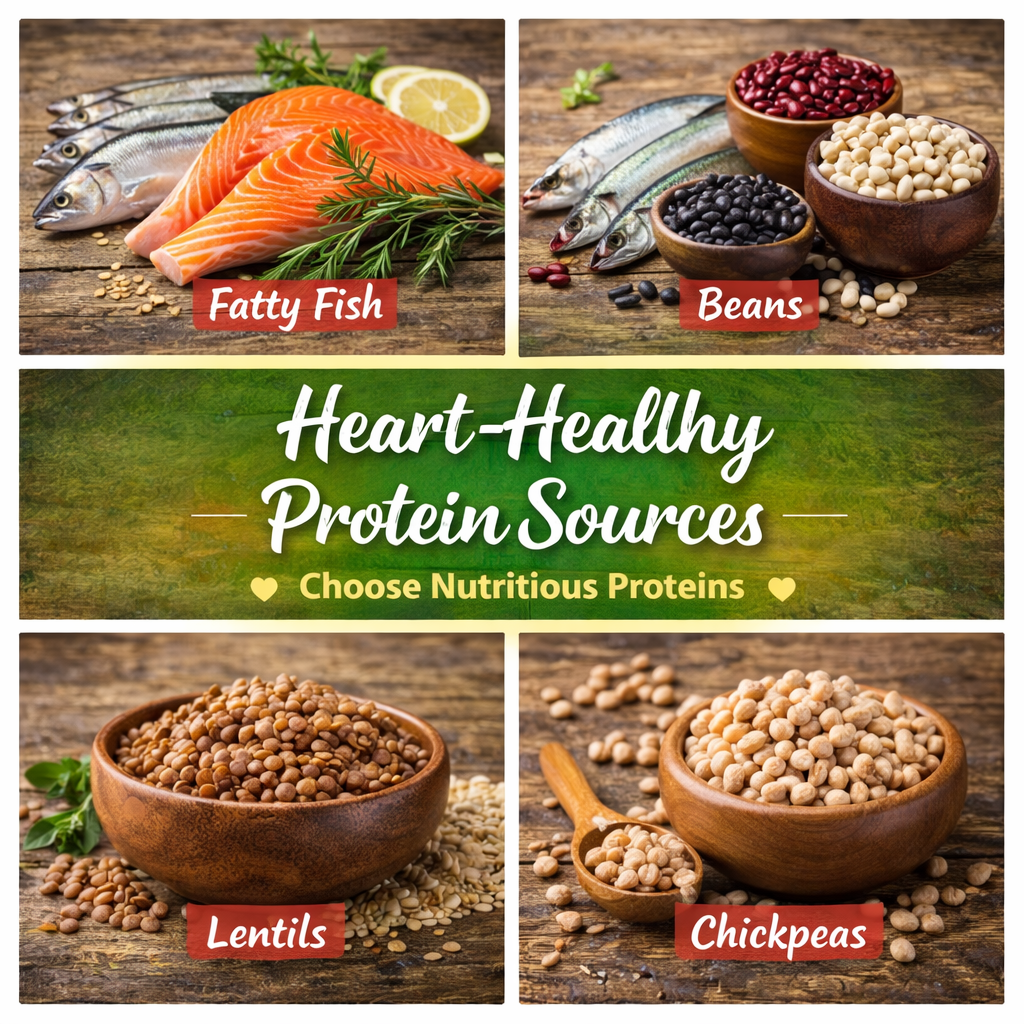
14. Fatty Fish
Fatty fish such as salmon, sardines, and mackerel are rich sources of omega-3 fatty acids. These healthy fats help reduce inflammation, lower triglycerides, and support normal heart rhythm. Regular consumption of fatty fish has been linked to a lower risk of heart attack and stroke. Cardiologists often recommend eating fatty fish at least twice a week.
15. Beans
Beans are an excellent source of plant-based protein and fiber, both of which support heart health. The soluble fiber in beans helps reduce bad cholesterol levels and improves digestion. Beans also contain essential minerals such as potassium and magnesium that help regulate blood pressure. Adding beans to soups, salads, or main dishes is an easy way to improve heart health.
16. Lentils
Lentils are packed with fiber, protein, and essential nutrients that promote heart health. Their high fiber content helps lower cholesterol levels and supports healthy digestion. Lentils also provide important minerals like iron and potassium, which help maintain healthy blood circulation. Regular consumption of lentils can reduce the risk of heart disease.
17. Chickpeas
Chickpeas are rich in fiber, protein, and antioxidants that support cardiovascular health. The nutrients found in chickpeas help lower cholesterol levels and regulate blood sugar. They also provide essential vitamins and minerals that support heart function. Chickpeas can be added to salads, soups, or blended into hummus for a heart-healthy snack.
Nuts and Seeds
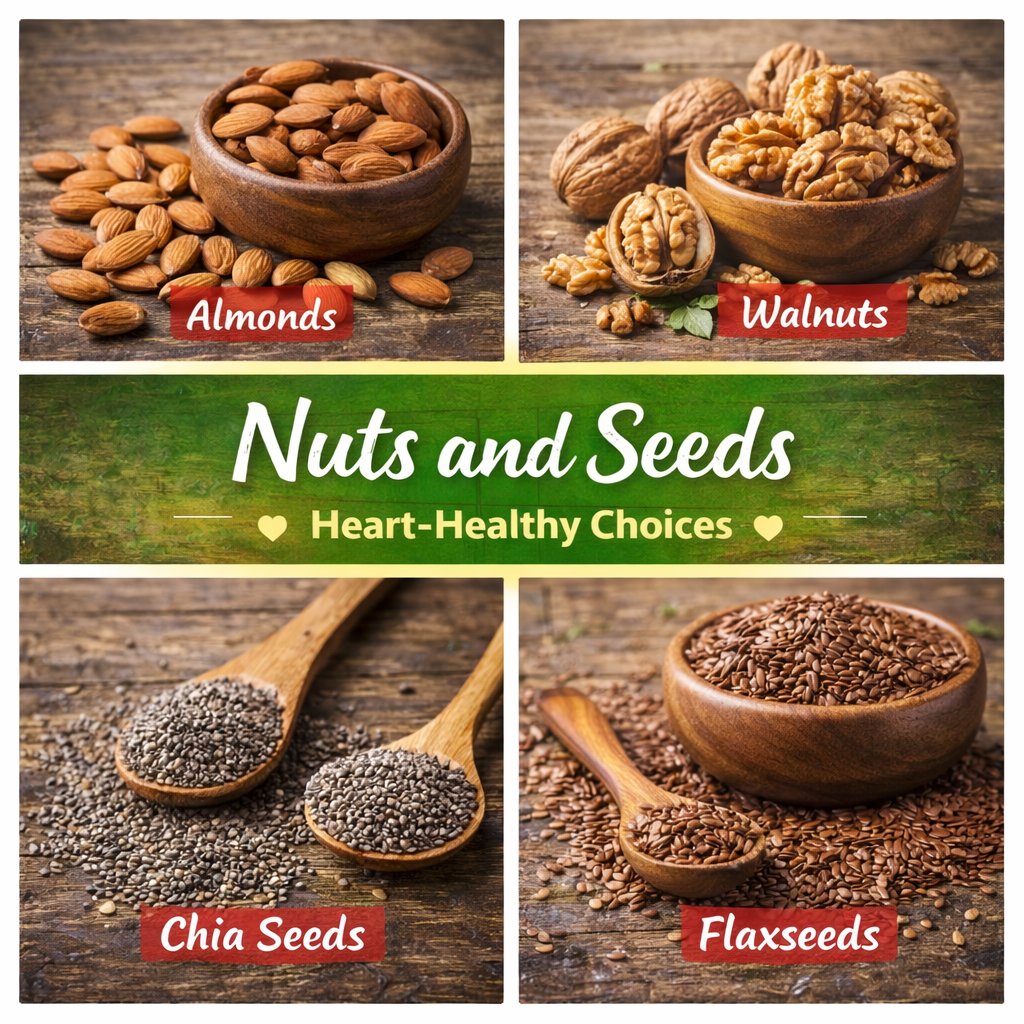
18. Almonds
Almonds are one of the healthiest nuts for the heart. They contain healthy fats, fiber, vitamin E, and antioxidants that help improve cholesterol levels. Regular consumption of almonds may reduce inflammation and support healthy blood vessels. A small handful of almonds daily can be a nutritious snack that benefits heart health.
19. Walnuts
Walnuts are especially beneficial for heart health because they are rich in omega-3 fatty acids. These healthy fats help reduce inflammation and improve cholesterol balance. Walnuts also contain antioxidants that protect the heart and blood vessels from damage. Adding walnuts to your diet may help reduce the risk of heart disease.
20. Chia Seeds
Chia seeds are tiny but packed with nutrients that support heart health. They contain fiber, omega-3 fatty acids, antioxidants, and protein. These nutrients help reduce cholesterol levels and improve blood pressure. Adding chia seeds to smoothies, yogurt, or oatmeal is an easy way to boost heart-friendly nutrition.
21. Flaxseeds
Flaxseeds are an excellent source of omega-3 fatty acids and fiber. They also contain plant compounds called lignans that support heart health. Regular consumption of flaxseeds may help reduce cholesterol levels and improve blood pressure. Ground flaxseeds can easily be added to cereals, smoothies, or baked foods.
Other Cardiologist-Recommended Foods
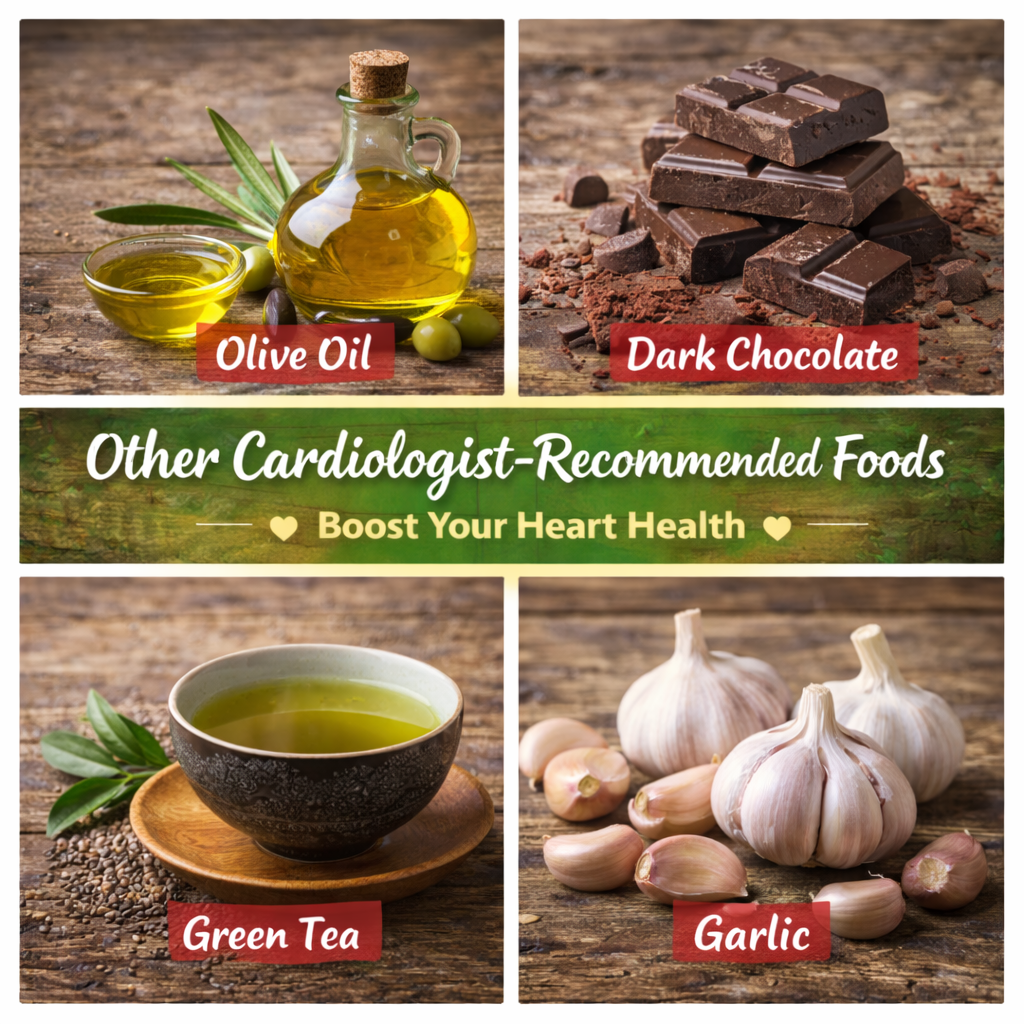
22. Olive Oil
Olive oil is a key part of the Mediterranean diet and is widely known for its heart benefits. It contains healthy monounsaturated fats and antioxidants that help reduce inflammation and improve cholesterol levels. Replacing butter or processed oils with olive oil can significantly support heart health.
23. Dark Chocolate
Dark chocolate contains flavonoids, powerful antioxidants that help improve blood flow and reduce blood pressure. Moderate consumption of dark chocolate may support cardiovascular health and reduce inflammation. However, it is important to choose dark chocolate with high cocoa content and minimal added sugar.
24. Green Tea
Green tea is rich in antioxidants known as catechins, which help improve heart health. These antioxidants reduce inflammation, lower cholesterol levels, and support healthy blood vessels. Drinking green tea regularly may help reduce the risk of heart disease while promoting overall wellness.
25. Garlic
Garlic has been used for centuries for its medicinal benefits. It contains compounds that help lower blood pressure and cholesterol levels. Garlic also improves blood circulation and reduces inflammation. Including garlic in your daily meals can support heart health while enhancing the flavor of many dishes.
heart-healthy diet Tips from Cardiologists
While adding healthy foods to your diet is important, cardiologists also recommend adopting healthy eating habits.
Some simple tips include:
- Follow a Mediterranean-style diet
- Eat more plant-based meals
- Limit processed foods
- Reduce sodium intake
- Choose healthy fats instead of saturated fats
These small lifestyle changes can significantly improve heart health over time. Preventive heart care programs at Gore Multispeciality Hospital often emphasize similar dietary and lifestyle practices to help patients maintain better cardiovascular health. For individuals seeking expert consultation or treatment, choosing the best cardiology hospital in Ravet can also make a significant difference in managing heart health effectively.
Foods to Avoid for Better Heart Health
Certain foods can increase the risk of heart disease if consumed regularly.
Try to limit:
- Processed foods
- Sugary beverages
- Fried foods
- Excess salt
- Foods high in trans fats
Reducing these foods helps maintain healthy cholesterol and blood pressure levels.
Simple Daily Meal Ideas for a heart-healthy diet
Creating balanced meals doesn't have to be complicated. Here is a simple example of a heart-healthy daily meal plan.
- Breakfast: Oatmeal with berries and flaxseeds
- Lunch: Quinoa salad with vegetables and olive oil dressing
- Dinner: Grilled salmon with spinach and sweet potatoes
- Snack: Almonds or fresh fruit
These meals provide essential nutrients that support heart health.
Lifestyle Habits That Support Heart Health
Food is only one part of maintaining a healthy heart. Lifestyle habits also play an important role.
To keep your heart strong:
- Exercise regularly
- Maintain a healthy weight
- Manage stress levels
- Get enough sleep
- Schedule regular health checkups
Combining a healthy diet with these habits can significantly reduce the risk of heart disease.
Frequently Asked Questions
What foods are best for heart health?
Foods rich in fiber, healthy fats, antioxidants, and omega-3 fatty acids are best for heart health. Examples include fatty fish, nuts, berries, whole grains, and leafy vegetables.
What foods help lower cholesterol?
Oats, beans, almonds, flaxseeds, and olive oil are known to help lower cholesterol naturally.
What diet do cardiologists recommend?
Many cardiologists recommend the Mediterranean diet because it focuses on whole foods, healthy fats, fruits, vegetables, and lean proteins.
Can food help prevent heart disease?
Yes, a balanced diet rich in heart-healthy foods can significantly reduce the risk of heart disease.
How can I improve heart health naturally?
You can improve heart health naturally by eating a nutritious diet, exercising regularly, managing stress, and maintaining a healthy lifestyle.
Conclusion
Taking care of your heart starts with the choices you make every day—especially when it comes to food. By incorporating these 25 heart-healthy foods recommended by cardiologists, you can support healthy cholesterol levels, regulate blood pressure, and improve overall cardiovascular health.
Remember, you don't need to change everything overnight. Even small dietary improvements can make a big difference over time. Start by adding a few of these foods to your meals, and gradually build a heart-friendly lifestyle that supports long-term wellness.
Your heart works hard for you—giving it the right nutrition is one of the best ways to return the favor.
Need Expert Heart Care Guidance?
Our cardiology specialists are here to help. Book an appointment today for personalized heart health care and treatment.
Book Appointment