
 Cardiology
 Paediatrics
 Neurology
 Orthopaedics
 Family
Physician
Family
Physician
 Gynecology
 Endocrinology
 Gastrology
 ENT
ENT
 Pulmonology
 Cancer Care
 Radiology


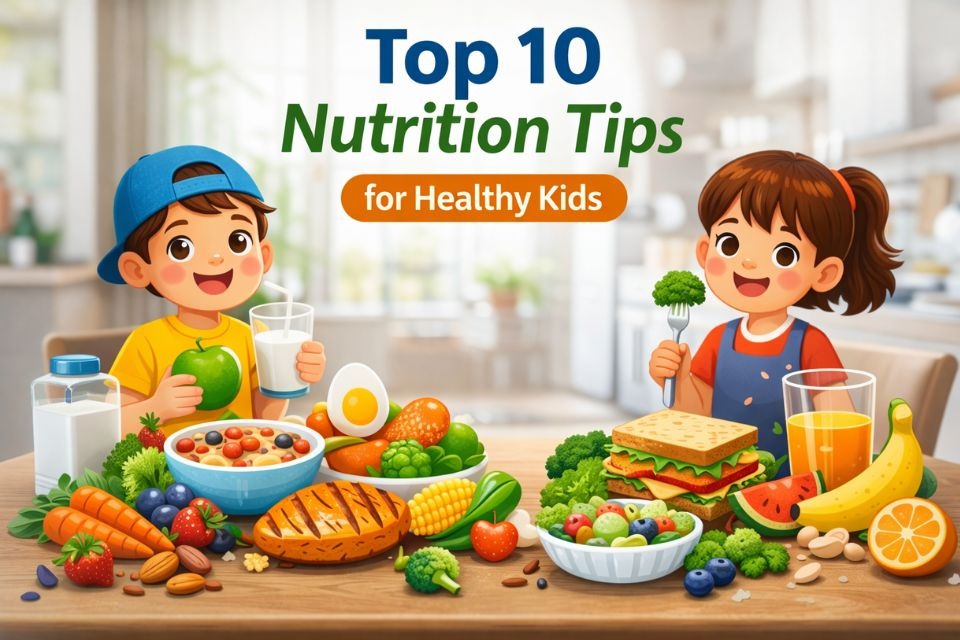
Raising healthy kids starts with building the right habits early and nutrition plays one of the biggest roles in a child’s growth and development. From supporting strong bones and muscles to boosting brain function and immunity, the food children eat every day directly affects their health, energy levels, and overall wellbeing.
However, many parents face common challenges when it comes to feeding their kids. Busy schedules, picky eating habits, and the growing availability of processed foods can make it difficult to maintain healthy eating habits for kids.
The good news is that improving your child’s nutrition doesn’t require complicated meal plans or strict diets. Small, consistent changes in everyday meals can make a big difference. In this guide, we’ll explore the top 10 nutrition tips for healthy kids that can help parents create balanced eating habits and ensure their children receive the nutrients they need to thrive.
Why Nutrition Is Important for Kids
Children go through rapid growth and development, especially during their early years. Proper nutrition for children provides the essential vitamins, minerals, and nutrients needed to support their physical and mental development.
A healthy diet for kids helps with:
- Strong bones and teeth
- Healthy brain development
- Improved immunity
- Better concentration and learning ability
- Maintaining a healthy weight
- Boosting energy levels for daily activities
Developing healthy eating habits for kids early in life also helps prevent lifestyle-related health issues in the future. Pediatric health experts often emphasize that balanced nutrition during childhood plays a critical role in long-term wellbeing. Many healthcare providers, including Gore Multispeciality Hospital, encourage parents to focus on nutritious meals and healthy lifestyle habits from an early age. For families seeking expert pediatric guidance, consulting specialists at the Best Pediatric Hospital in Ravet can also help ensure children receive proper nutritional care and regular health monitoring.
Understanding the Basics of Kids’ Nutrition
Before diving into practical tips, it’s important to understand what a balanced diet for kids actually looks like. Children need a variety of foods from different food groups to get the nutrients required for proper growth.
Essential Nutrients Kids Need
Protein
Protein helps build muscles and supports growth. Good sources include eggs, beans, lentils, dairy products, fish, and lean meats.
Calcium
Calcium is important for strong bones and teeth. Milk, yogurt, cheese, and leafy green vegetables are excellent sources.
Iron
Iron supports healthy blood and energy levels. Foods like spinach, beans, fortified cereals, and lean meats provide iron.
Vitamins and Minerals
These support immunity and overall development. Fruits and vegetables are rich in these nutrients.
Important Food Groups for Children
A healthy daily diet should include:
- Fruits and vegetables
- Whole grains
- Protein-rich foods
- Dairy or calcium-rich foods
- Healthy fats
When these food groups are included regularly, kids naturally receive the nutrients required for growth and development.
1. Start the Day with a Healthy Breakfast
Breakfast is often called the most important meal of the day, and this is especially true for kids.
A healthy breakfast for kids provides the energy needed for school activities and helps improve concentration and memory. Children who eat breakfast regularly tend to perform better academically and maintain a healthier body weight.
Healthy breakfast ideas include:
- Oatmeal with fruits
- Whole-grain toast with eggs
- Yogurt with nuts and berries
- Smoothies made with milk and fruits
- Peanut butter sandwiches
Starting the day with a nutritious meal sets a positive tone for the rest of the day.
2. Include More Fruits and Vegetables
Fruits and vegetables are packed with essential vitamins, minerals, and fiber that support digestion and immunity. Unfortunately, many children do not eat enough of them. Parents can make healthy food for kids more appealing by adding variety and creativity.
Ways to encourage kids to eat fruits and vegetables:
- Add fruits to breakfast cereals or yogurt
- Serve colorful fruit salads
- Blend vegetables into soups or sauces
- Make smoothies with spinach and fruits
- Offer vegetables with healthy dips
Colorful meals not only look attractive but also provide diverse nutrients.
3. Focus on Protein-Rich Foods
Protein plays a major role in child growth and development. It helps build muscles, repair tissues, and maintain healthy body functions.
Protein-rich foods that are ideal for kids include:
- Eggs
- Lentils and beans
- Dairy products like milk and cheese
- Nuts and seeds
- Fish and lean meats
- Tofu and soy products
Including protein in every meal helps kids stay full longer and maintain steady energy levels throughout the day.
4. Offer Healthy Snacks Instead of Junk Food
Kids often get hungry between meals, which is why snacks are important. However, many packaged snacks contain excessive sugar, salt, and unhealthy fats.
Replacing processed foods with healthy snacks for kids ensures children receive proper nutrition even between meals.
Healthy snack ideas include:
- Fresh fruits
- Yogurt parfaits
- Nuts and seeds
- Whole-grain crackers
- Vegetable sticks with hummus
- Homemade smoothies
Nutritious snacks help maintain energy levels and prevent overeating during main meals.
5. Encourage Drinking Enough Water
Hydration is often overlooked when discussing nutrition, but it is equally important for children’s health. Water helps regulate body temperature, supports digestion, and keeps kids energized throughout the day.
Parents should encourage children to:
- Drink water regularly
- Carry a water bottle to school
- Replace sugary drinks with water or milk
Reducing sugary beverages like sodas and packaged juices can significantly improve children’s overall health.
6. Limit Sugar and Processed Foods
Excess sugar consumption is one of the biggest challenges in modern diets. Processed snacks, candies, and sugary beverages contribute to unhealthy eating patterns.
Too much sugar can lead to:
- Weight gain
- Tooth decay
- Energy crashes
- Increased risk of health issues later in life
Parents can promote healthy eating habits for kids by limiting processed foods and offering natural alternatives like fruits, nuts, and homemade snacks.
7. Include Whole Grains in Daily Meals
Whole grains are an important part of a balanced diet for children because they provide fiber, vitamins, and long-lasting energy.
Examples of whole grains include:
- Brown rice
- Whole wheat bread
- Oats
- Quinoa
- Whole grain pasta
Unlike refined grains, whole grains keep kids full longer and support digestive health.
8. Build Healthy Eating Habits at Home
Children learn by observing their parents. When families practice healthy eating together, kids are more likely to develop lifelong healthy habits.
Simple ways to build positive habits include:
- Eating meals together as a family
- Involving kids in cooking
- Encouraging them to try new foods
- Avoiding distractions like television during meals
Healthcare professionals often recommend that families focus on creating a supportive environment around food. Pediatric specialists at Gore Multispeciality Hospital also emphasize that positive family eating habits can greatly influence a child’s long-term health and nutrition.
9. Make Meals Colorful and Fun
Children are naturally attracted to colorful and creative meals. Making food visually appealing can encourage them to try new ingredients.
Fun ideas include:
- Creating fruit shapes
- Making colorful vegetable plates
- Preparing rainbow salads
- Using cookie cutters for sandwiches
- Designing smiley faces with fruits and vegetables
When meals are fun and interesting, kids are more likely to enjoy nutritious foods.
10. Create a Balanced Daily Meal Plan
Planning meals ahead helps ensure children receive all essential nutrients throughout the day.
Breakfast
Start your child’s day with a nutritious breakfast such as oatmeal with milk and fresh fruits. This meal provides fiber, vitamins, and energy that help kids stay active, focused in school, and ready to begin the day.
Lunch
A balanced lunch may include whole wheat roti or brown rice served with vegetables and lentils. This combination provides protein, carbohydrates, and essential nutrients that support growth, maintain energy levels, and keep children satisfied until the next meal.
Snack
Healthy snacks like a fruit smoothie or yogurt with nuts provide important nutrients between meals. These snacks help maintain steady energy levels, support healthy digestion, and prevent kids from choosing unhealthy processed snacks when they feel hungry.
Dinner
Dinner can include grilled chicken or paneer with vegetables and whole grains such as brown rice or whole wheat bread. This balanced meal provides protein, vitamins, and minerals needed for growth, recovery, and overall health before bedtime.
Conclusion
Ensuring proper nutrition for children doesn’t have to be complicated. By focusing on balanced meals, encouraging healthy snacks, and limiting processed foods, parents can help their kids develop strong and healthy bodies.
These top 10 nutrition tips for healthy kids are simple, practical, and easy to implement in everyday life. Small changes like adding more fruits and vegetables, encouraging hydration, and planning balanced meals can create lifelong healthy habits.
When children learn to enjoy nutritious foods early in life, they build a strong foundation for a healthier future.
Need Expert Heart Care Guidance?
Our cardiology specialists are here to help. Book an appointment today for personalized heart health care and treatment.
Book Appointment